Federal Funding for California Farms: Updates & Advocacy

Last Updated - 7/28/25
As of July 15th, 2025 the USDA announced the agency will be terminating the RFBC program. The agency will honor existing commitments for over 450 grants to farmers and food businesses, but the program will not be continued and any remaining funds will be repurposed.
Ask your Representative to join Reps Adams and Tokuda opposing the termination of RFBCs and requesting more information from USDA regarding their decision to eliminate this program.
A federal judge ruled that the EPA, Interior, and Energy Departments unlawfully froze funds from the Inflation Reduction Act and infrastructure law, ordering them to immediately resume disbursing the money. Judge Mary McElroy emphasized that while presidents can set agendas, agencies can’t indefinitely block laws passed by Congress. She found the freezes unreasonable, lacking justification, and harmful to grantees and her order applies nationwide, (not just to the plaintiffs). She also rejected arguments that she lacked jurisdiction, affirming the case is about enforcing congressional law, not contract disputes. The administration did tell the court that they intend to comply with this order. Click here for additional information.
Since early 2025, billions in USDA funding—including over $330 million in California—have been cut or frozen, leaving farmers and organizations without critical reimbursements and support. This instability is threatening livelihoods, food access, and local economies, and urgent action from Congress is needed to restore funding and protect our food system. This page highlights the most impacted programs and includes customizable outreach templates to help you contact your elected officials and advocate for your community.
Since the beginning of 2025, billions of dollars in legally allocated USDA funding have been either frozen or cut off. The USDA has failed to honor contracts nationwide, including hundreds of millions of dollars in California. Although the agency has not disclosed the full extent of the targeted funds, the negative impacts on communities are already evident, and California farmers and organizations have been deeply affected by accumulating unpaid federal reimbursements. This inaction puts farmers’ livelihoods at risk and jeopardizes food access, local economic opportunities, and farmland conservation.
In recent months, farmers and support organizations have faced ongoing instability, with programs repeatedly frozen and reinstated, making it nearly impossible for farmers to plan or cover basic expenses. Many other important programs that are in uncertain positions will impact growers across the state, and communities are feeling the strain with growing concern over food prices and supply. Congress has the power to act—and they need to hear from those directly impacted, and from all who care about the affordability and access to local food systems.
The impacts on California communities and our nation’s food security will ripple long past this year if farms are unable to stay in business. It’s vital that California’s hundreds of millions in frozen and terminated grants are reinstated in effort to bolster our hard working farm families and continue investment in our farming communities.
We’ve summarized a few of the most impacted programs for California’s small farmers, with outreach templates for you to contact your elected officials. Personalize this outreach to emphasize what is most important to you, your community, your farm, or your regional food system.
Increasing Land, Capital, and Market Access Program
Program & Advocacy Updates:
Quick Facts about the Land, Capital, and Market Access Program
The USDA’s Increasing Land, Capital, and Market Access Program aims to support underserved agricultural producers by funding cooperative agreements that enhance their access to land, capital, and markets.
These grants are for projects that facilitate farm ownership opportunities, address challenges related to heirs’ property or fractionated land, and promote agricultural business planning.
The program was frozen without cause or explanation by the Trump Administration in 2025.
California projects funded include initiatives that:
- Develop and implement innovative solutions that catalyze equitable access to land, capital, and market opportunities in the Bay Area. (Agroecology Commons)
- Develop a program that puts public land into agricultural leases that contribute to solving a number of concurrent problems related to land access and agricultural viability in Alameda County. (Alameda Co RCD)
- Secure long-term farmland access for campesino families in Tierras Milperas’ network and to pilot an innovative financial ecosystem that results in long-term sustainability and equity among small-scale producers in the region. (Community Agroecology Network)
- Increase access to capital, land, and markets among 80 historically underserved, socially disadvantaged, Southeast Asian farmers in Fresno County. (Asian Business Institute and Resource Center)
- Expand technical assistance services, establish viable and equitable pathways to land access, and connect underserved producers with the capital and markets they need to thrive as farmers in San Diego County. (San Diego Food System Alliance)
- Provide land for local farmers to expand their markets by growing healthy food for the local community, and partnering with local worker cooperatives to provide value-added products, and educational opportunities. (Walnut & Daisy Community Micro-Farm)
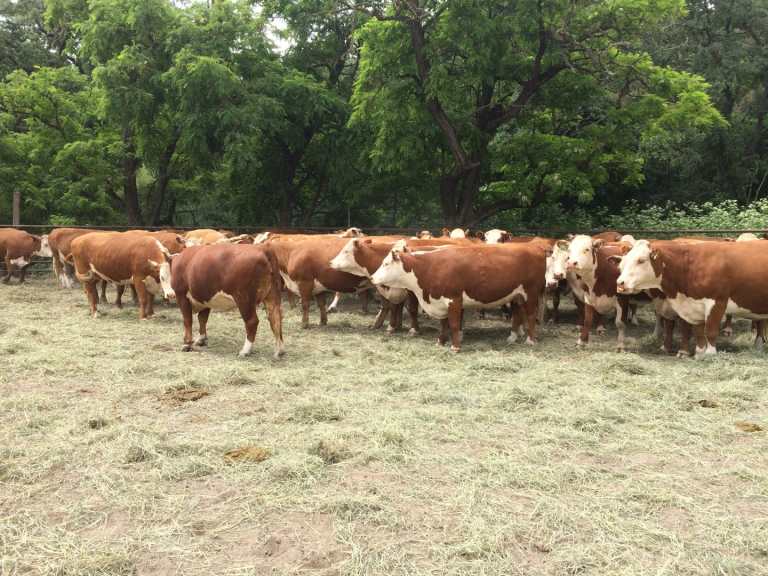
“Due to the freeze of the land access program, we have needed to pass up opportunities to secure land for our network of beginning farmers, many of whom have short term land access - or no access at all. They have been waiting graciously, but need clarity for their farming livelihoods and cannot wait in perpetuity. It feels like we are navigating a storm where multiple funding freezes and terminations have left us plugging leaks and dodging tidal waves at the same time—all combined threatening to sink the boat we’ve worked so hard to build.”
Leah Atwood, Agroecology Commons Collective
Regional Food Business Centers Program (RFBC)
Program & Advocacy Updates:
- As of July 15th, 2025 the USDA announced the agency will be terminating the RFBC program. The agency will honor existing commitments for over 450 grants to farmers and food businesses, but the program will not be continued and any remaining funds will be repurposed.
- The Southwest Regional Food Business Center, led by University of California Agriculture and Natural Resources and of which CAFF was a subsidiary, is one of 12 food business centers across the country. The center’s program manager, Tracy Celio, said of the cancellation: “Our team has supported nearly 2,000 individuals and over 1,000 farm and food businesses in just two years, and we were ready to deliver 100 grants totaling $4.2 million. Now, only a fraction – around $1 million – will reach the hands of producers.”
- Civil Eats, Agripulse, and Farms.com have covered this cancellation, noting that the centers focused on rebuilding regional supply chains that intended to serve small family farms and push back on increasing industry consolidation impacting rural communities.
- Ask your Representative to join Reps Adams and Tokuda opposing the termination of RFBCs and requesting more information from USDA regarding their decision to eliminate this program, as cancelling a program designed to help small and family farms does not serve American farmers or communities.
Quick Facts about RFBC
- USDA Regional Food Business Centers serve as hubs, coordinating efforts among federal, state, tribal, and local partners to tailor support for regional food systems.
- They provide training and guidance to small- and mid-sized food and farm businesses, helping them grow, improve operations, and access new markets through funding like the Technical Assistance Direct Support Awards.
- The Business Builder Award Program (up to $100,000) funds projects that boost profitability, support infrastructure, and strengthen local food supply chains.
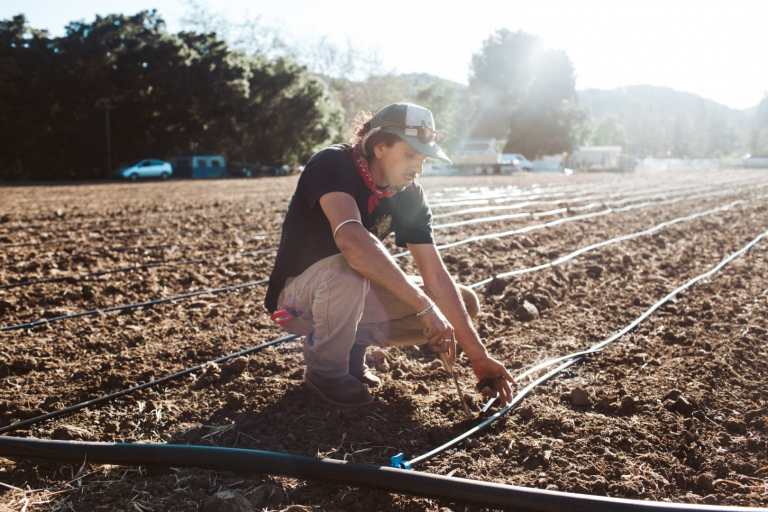
"Programs like these support farmers and food producers like my own, Three Feathers Farm, by providing vital technical assistance, infrastructure investments, market access, and training. These resources are essential to building resilient regional food systems and ensuring our communities have consistent access to fresh, local, and sustainably grown produce."
Local Food Purchasing Programs
Advocacy Updates:
Quick Facts about Local Food Purchase Assistance (LFPA) and Local Food for Schools (LFS) Programs
- Makes it easier for farmers and ranchers to participate by enabling them to work directly with local agencies instead of navigating complex federal procurement systems.
- Supports the creation and growth of strong, regional food supply chains and long-term food system resilience, and focus on scaling up local procurement efforts and infrastructure.
- Through LFPA, or what we call Farms Together in California, food banks and anti-hunger efforts are able to buy boxes of food from local farmers to provide to local families, impacting the local farm economy.
Program Updates
- In March 2025, USDA ended 2025 funding for LFPA and LFS programs, citing changed priorities.
- While CAFF was able to reinstate the LFPA program after a two-week pause, USDA canceled $47 million in additional LFPA funding slated for later this year. No current indication if Secretary Rollins will reverse the funding termination.
- California schools spent $23 million over the last two years in LFS and were slated to receive an additional $71.5 million this year, before USDA canceled all future spending. This also comes as USDA recently canceled all federal Farm to School grants for 2025 (applicants were awaiting final award announcements).
- Timing and bipartisan support for the reintroduction of the “Expanding Access to (EAT) Local Foods Act” remain unclear.
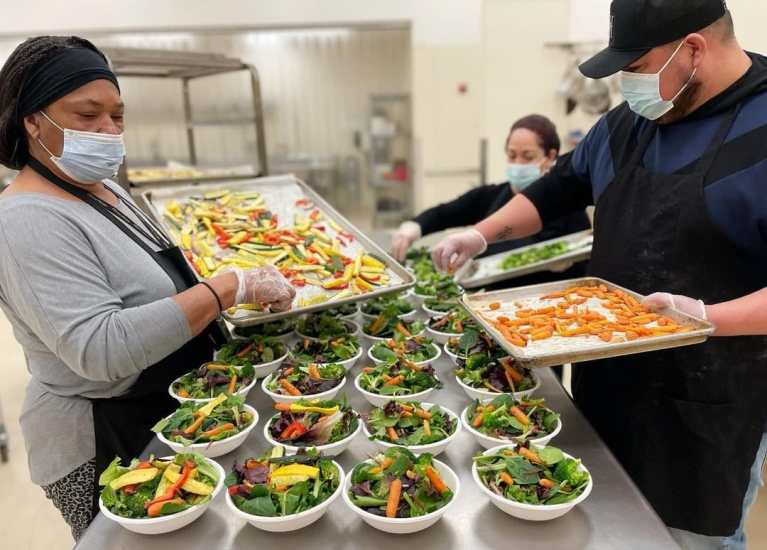
“Our farm grows fruits and vegetables primarily for K-12 schools because we think children deserve the most fresh, flavorful and nutrient-dense food that will set them up for a better future. Local Food for Schools is a win-win for California schoolchildren and farmers because we can source fresh produce to local schools and pay farmers a fair price. USDA needs to do better for family farmers and our communities and reinstate the program."
Conservation & Climate Programs
Program & Advocacy Updates:
- The USDA announced on April 14th that all previously frozen funding for PCSC has been completely canceled. California’s 35 PCSC projects covered 50 commodities and included over $1 billion in total federal funding that potentially impacted the state.
- The USDA said: “Select projects may continue if it is demonstrated that a significant amount of the federal funds awarded will go to farmers. We continue to support farmers and encourage partners to ensure their projects are farmer focused or re-apply to continue work that is aligned with the priorities of this Administration. USDA will contact current partners individually to provide information about their future participation. USDA will honor all eligible expenses incurred prior to April 13, 2025. This reform effort will utilize existing funding, with no new funding made available for these partnerships.”
Quick Facts about Climate-Smart Commodities (PCSC)
- Partnerships for Climate Smart Commodities were a significant investment made under the Inflation Reduction Act to help farmers adopt conservation practices and make farms and their soils more resilient, while creating new market opportunities to sell those products.
- The program encourages farms of all sizes to adopt production practices that lower greenhouse gas emissions and capture carbon.
Quick Facts about NRCS - Regional Conservation Partnership Program
- The Regional Conservation Partnership Program (RCPP) is a USDA‑NRCS initiative that supports public–private partnerships in investing in solutions to natural resource challenges on agricultural land. It co‑invests with partners in on‑farm, watershed, and regional conservation practices to improve soil, water, wildlife, and climate resilience.
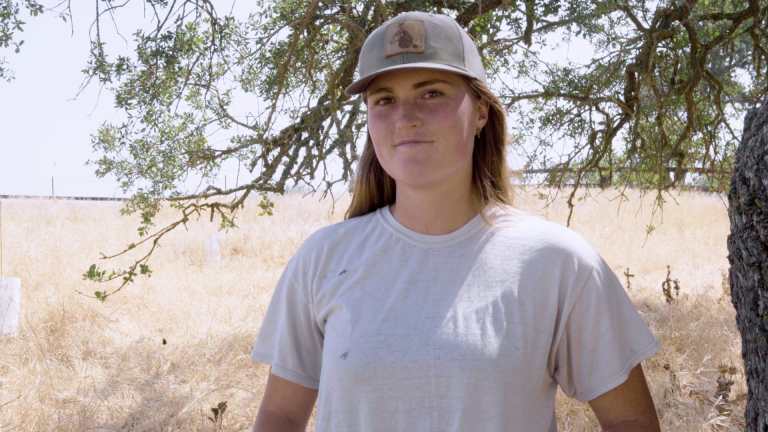
“The sudden funding pause by USDA caused chaos among our contracted producers. Dozens of contacts were underway meaning producers are left mid-project with no certainty that USDA will issue payments for work completed. This unprecedented situation further undermines an already tenuous relationship between these federal agencies and producers.”
USDA Organic Programs
Program & Advocacy Updates:
- As of 5/6/25, the USDA has resumed payments on existing contracts and grants for TOPP and OMDG per the Organic Trade Association.
- The National Organic Coalition urges the public to contact Congress and demand protection for organic farmers and the integrity of the USDA’s organic program.
Quick Facts about Organic Programs at Risk
- The Transition to Organic Partnership Program (TOPP) connects transitioning and organic producers with mentorship, technical assistance and resources.
- Organic Market Development Grants (OMDG) provide essential funding and investment for U.S. farmers and food businesses to meet the growing demand for organic products and bolster the domestic supply and distribution of organic food.
- TOPP & OMDG combines tens of millions of dollars of matching business development with USDA funding to invest in infrastructure development, market diversification and value-added products to strengthen the competitiveness of U.S. organic products domestically and establish fair competition against foreign manufacturers and producers.
- The National Organic Program (NOP) oversees a more than $70 billion sector, with every $1 of staff investment in NOP resulting in over $3,000 in economic benefit for the U.S. economy.
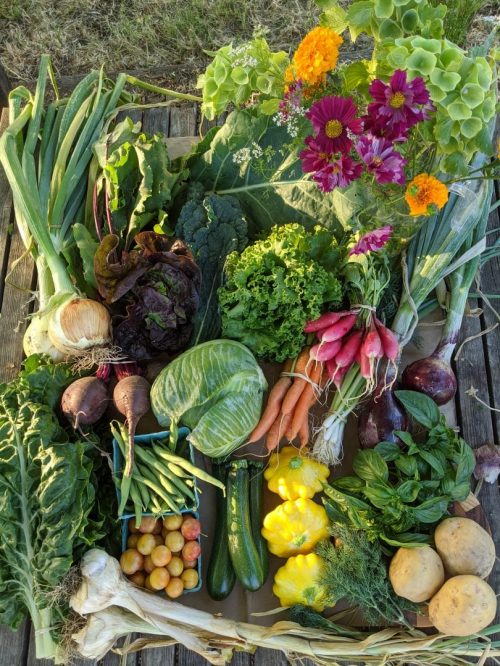
“TOPP is a fantastic program that provides resources and encouragement to farmers that want to transition into organic farming. Without the support that comes from the program, many farmers would not be willing or able to make that dramatic change, and those that do would have a much harder time navigating into a system that is dramatically different from what they are used to. The program not only assists financially, but more importantly, pairs up the transitioning farmer with a mentor that is available to share their knowledge and guidance as they go through the process of certification.”
Urban Agriculture
Program & Advocacy Updates:
Quick Facts about USDA Urban Agriculture
- Encompasses urban, suburban, and municipal farming, such as community gardens, rooftop farms, and high-tech indoor systems, and helps increase food access, job training, environmental sustainability, and economic opportunity.
- Since 2020, the Office of Urban Agriculture & Innovative Production (OUAIP) has invested over $85 million in grants and cooperative agreements across 43 states and Puerto Rico. Projects include composting initiatives, farm incubators, community gardens, and food access programs; only about 15% of eligible proposals received funding due to limited resources.
- FSA has also initiated cooperative agreements that provide outreach, education, and technical assistance to urban agricultural producers, enhancing the sustainability and resilience of local food systems.
- The USDA has established 27 urban county committees and 17 new Urban Service Centers across the country, designed to better serve urban producers by providing access to farm loans, conservation programs, and disaster assistance programs.
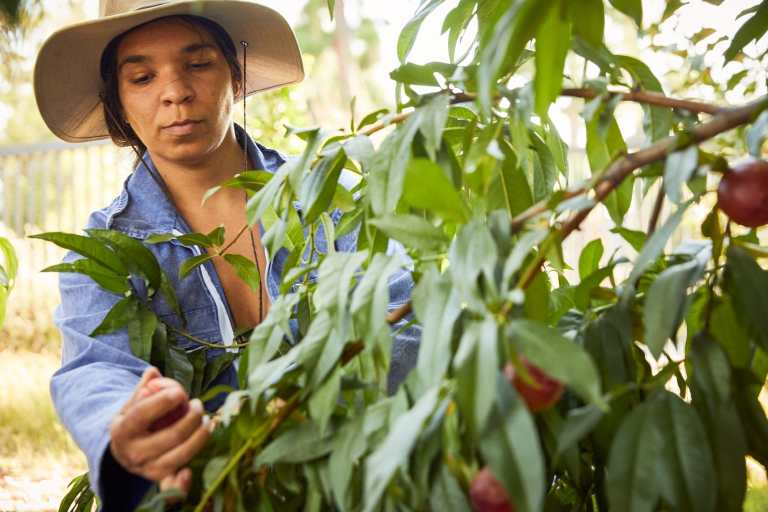
"The freezing of FSA funds has resulted in our organization having to consider cutting services to the communities we serve and reassess how to fill the financial gap. As part of CAFF's fellowship program I'm uncertain if we'll be able to complete the program which will result in increased challenges finding technical assistance and navigating access to resources."
Farmers Market Promotion Program
Program & Advocacy Updates:
- California’s Fresh Approach organization was notified that their FMPP grant was terminated due to DEI infractions with one year remaining and around $140,000 left to spend on a project that promotes Market Match and SNAP utilization at farmers’ market through a mail-delivered coupon campaign. The loss of this grant will prevent distribution of $250,000 in coupons in 2026.
- Data from one year of Fresh Approach’s project includes:
- 5,000 new CalFresh shoppers at the markets receiving coupons
- SNAP/CalFresh spending with farmers at those markets increased by $109,578
- Market Match spending with farmers at those markets increased by $270,385
- $500,000 in incentives distributed to 100,000 households across Alameda and Contra Costa Counties
Quick Facts about FMPP
- The Farmers Market Promotion Program (FMPP) is implemented under the Local Agriculture Market Program (LAMP). FMPP funds projects that develop, coordinate and expand direct producer-to-consumer markets to help increase access to and availability of locally and regionally produced agricultural products.
- The program just closed a new application period, with approximately $10.5 million anticipated to fund FMPP projects. Projects were terminated piecemeal from previous rounds of funding, and previous grants awarded since 2020 can be found here.
Take Action Now!

Farmers, rural communities, and food system organizations are facing devastating consequences due to funding freezes at the US Department of Agriculture—despite court orders directing the funding to resume. Critical conservation payments, technical assistance, and grant reimbursements remain stalled, threatening farms, jobs, and livelihoods across the country.
Three programs (LFPA, LFS, and Partnerships for Climate Smart Commodities) alone total over $270 million in investments in California, and at least $59 million in additional economic activity from LFPA and LFS due to the economic multiplier. A multiplier means that every dollar of federal funding generates additional economic activity as it moves through the economy, and deepens the impact of cancellations. Across the US, that equates to more than $1.8 billion of lost economic activity. The national scope of freezes and cancellations for these and other programs and terminations at the USDA will be much larger than these aforementioned programs, as NSAC has identified more than 30 under direct threat.
So, what can you do?
Not only do we need to fight to reinstate frozen and terminated programs, including through a comprehensive Farm Bill, and it’s even more important that Governor Gavin Newsom and California state leaders invest in programs funded by the state budget and Greenhouse Gas Reduction Fund.
We need your voice! Call your elected officials today and demand they take immediate action to ensure the USDA and Congress honors its commitments and releases the funding that farmers and rural communities desperately need. Every day of delay puts more farms and jobs at risk—speak up now!