
Agricultural Land Reform In California
a policy platform for a more just land transition

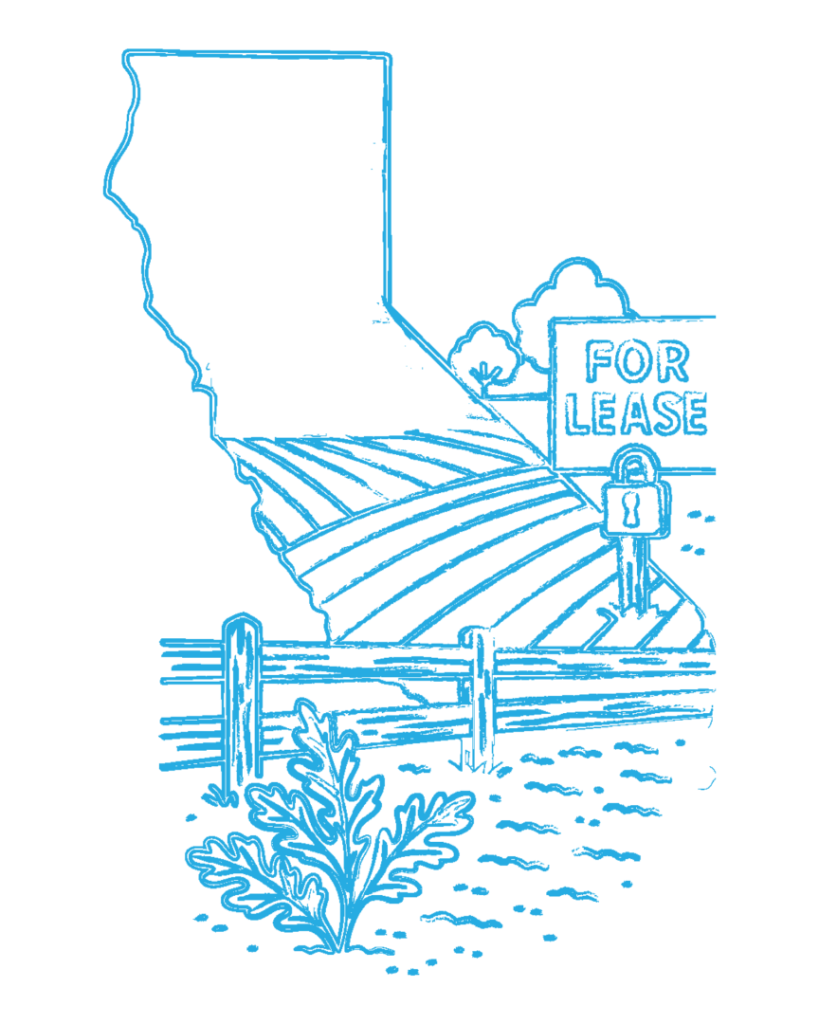
As California farmland is increasingly scooped up by investment firms and hedge funds, reform in land access must ensure that family farmers can have thriving land-based businesses, particularly those who have been pushed out of land ownership by a history of land removal policies, unjust lending practices, forced labor, and limited access to support services. Agricultural land reform is an urgent and necessary step toward creating a just food system that supports sustainable rural livelihoods, biological diversity for agricultural ecosystems, and reliable access to good food for all Californians.
We need a bold, new policy framework in California that transforms our relationship with land and ensures accessibility and success for all. New policies and programs must prioritize curbing land consolidation while encouraging long-term tenure and greater decision-making power for underserved communities. Where secure land includes meaningful access to land with water, accessible markets, capital for startup costs, and housing for those who need it.
5%
OF ALL LANDOWNERS OWN
OVER HALF OF CALIFORNIA’S CROPLAND
95%
OF THE SMALLEST PROPERTIES
ACCOUNT FOR 50% OF CROPLAND
43%
OF SURVEYED FARMERS INDICATED THEY LEASE
THE LAND THEY CULTIVATE,
LIMITING THEIR ABILITY TO INVEST IN THE LAND THEY ARE ON AND FEEL SECURE IN THEIR BUSINESSES
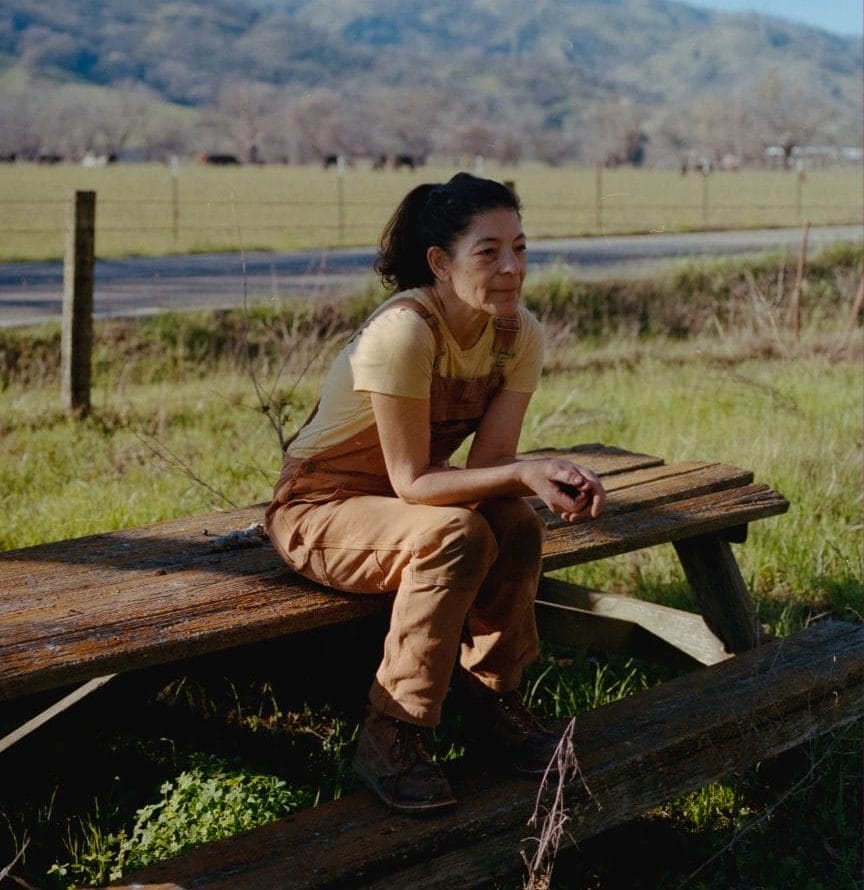
“Natural resources such as land belong to the common good. As we watch land grabs by billionaires and hedge funds unfold, what we are witnessing is the removal of land from food production that is gutting our local economies, and transferring those dollars into private portfolios for the few.
In many ways this is more than a land grab, it’s a power grab, jeopardizing our food security and unraveling the rich fabric of our local communities.”— Alexis Koefoed, Soul Food Farm, Solano County
Policy Actions for Equitable Land Reform
The report outlines CAFF’s core policy goals to drive meaningful progress toward land reform in California. These goals and subcategories present a suite of policy strategies and ideas that we aim to pursue in various forms in order to make strides in creating a future where land is accessible and we ensure justice and equity, respect Indigenous sovereignty, and invest resources in those systematically denied for centuries.
This policy platform outlines actionable solutions toward greater land equity and focuses on the following core goals:
- Guarantee land security for beginning and underserved farmers and land stewards
- Curb land accumulation and consolidation by the few while ensuring access and benefits for many communities who currently lack such access.
- Promote farmer cooperatives to facilitate greater collective power and management of resources, sustainable practices, and stronger local food economies
- Reform insufficient policies and programs to facilitate greater allocation of resources to address land access inequities
Contact: Jamie Fanous, Policy & Organizing Director
Thank you to our report reviewers:
- Julieta Muñoz, Growing Roots
- Cheyenne Stone, Chairperson Big Pine Paiute Tribe
- Justina Salinas, Araceli Farms
- Alexis Koefoed, Soul Food Farm
- Lilian Thaoxaochay, GT Florists & Herbs
- Emily Schwing, Veggielution
- Chris Fields, African American Farmers of California
- Charity May, Sacred Futures
- Ken Kimes, New Natives
- Rubie Simonsen, First Mothers Farm
- Thomas Gibbs, Glimmering Rainbow Ranch
- Cynthia Lashbrook, Riverdance Farms
- George R Davis, Porter Creek Vineyard
- Nelson Hawkins, We Grow Urban Farm
- Steve Kroes, Policy Consultant & Realtor
- Antonio Roman-Alcala, California State University East Bay
- Adam Calo, Radboud University
