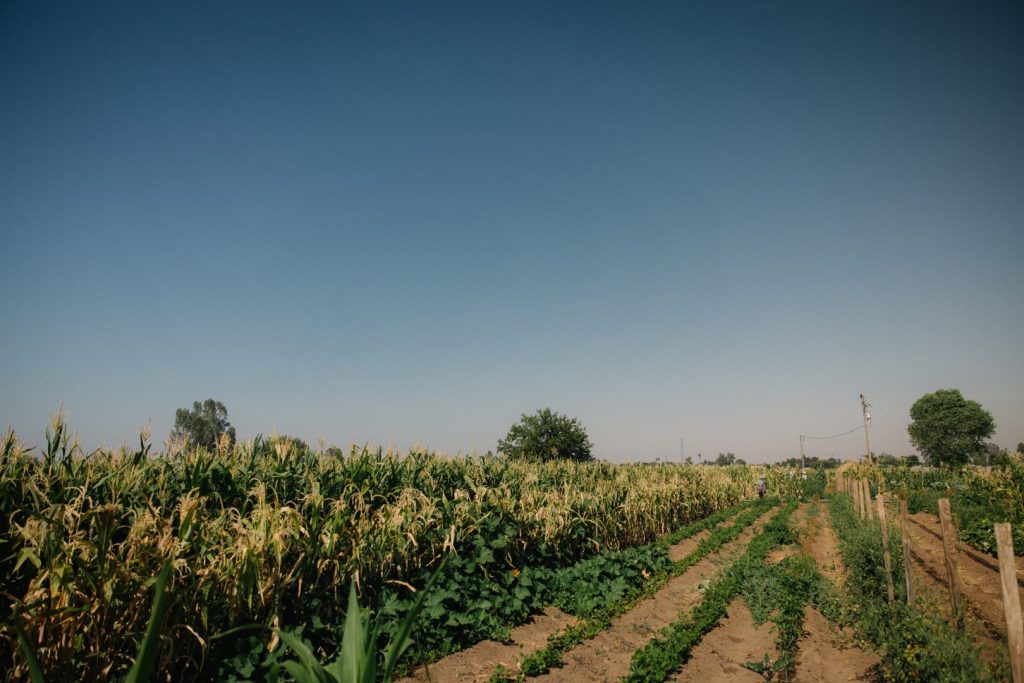

California’s farms and food hubs are stronger together. Through the Local Food Purchase Assistance (LFPA) program, also known as Farms Together in California, farm and food hub investments have delivered a triple benefit by providing economic stability for small farmers, nutritious food for families, and millions in local procurement.
LFPA has had a profound impact, with nearly $60 million spent engaging more than 830 farmers, 45 food hubs and small local aggregators, and 50 food banks and community organizations, with over 70% of participating farmers being small, mid-scale, and socially disadvantaged.
Unfortunately, this federal program has been terminated, despite an appeal by the State of California. Funding will run out in a few weeks, and farmers and aggregators are already seeing their contracts end. As federal SNAP reductions further harm food security and farmer livelihoods, maintaining this infrastructure is critical for California’s agricultural resilience, economic health, and local food systems.
Farms Together Across California
Esperanza Community Farms - Santa Cruz County
Esperanza Community Farms is one example of how this program’s investment in local food purchasing empowers California farmers to collaborate, scale, and reach more families with locally grown food. Esperanza is a system-changing, sustainable community agriculture project focused on increasing food security and good health among families living in the Pajaro and Salinas Valleys, especially those from under-resourced communities.
Saticoy Food Hub - Ventura County
Using LFPA dollars, food hubs like Saticoy Food Hub are able to purchase from nearby farmers and distribute fresh, locally grown food to communities across the region. Saticoy Food Hub alone facilitated over $577K in local purchasing spending across 27 farms–becoming an important contributor to food access and the local food economy.
Foodshed Cooperative - San Diego County
Foodshed Cooperative is one of the partners upholding the success of LFPA across San Diego County, whose food banks have received nearly $1 million dollars worth of local produce. Through this program, food hubs like Foodshed are able to purchase from nearby farmers and distribute fresh, locally grown food to communities across the region.
FEED Cooperative - Sonoma County
When an extreme weather event threatened Sonoma County farms in 2025, FEED’s network didn’t just survive; it acted quickly and mobilized. By coordinating harvests ahead of the storm flooding, they saved thousands of pounds of produce across 12 farms from being lost. This shows the connected, community-rooted food system that LFPA enables.
Since LFPA began, FEED has facilitated over $1.6 million in local food purchasing from over 75 farms.
The Path Forward
Across the state, LFPA strengthens local supply chains. The termination of federal funding means ending new and inspiring partnerships, and both farmers and people in need of food will face serious challenges in 2026.
Now that this crucial program has lost its federal funding and as federal SNAP benefit reductions increase demand on food banks, this lifeline is needed more than ever.
California must step up to support small farms and fund LFPA through the state budget. That’s why we are urging state legislators to support Asm Pellerin and Senator Hurtado’s leadership to Save LFPA and invest $45 million in state resources to keep this vital program going!