
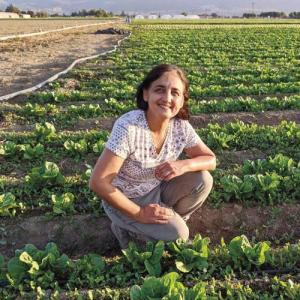
 Tera Farm was created almost by accident. In 2019, Sheena was involved with Nishica Farms, where a local apple orchard was being set up. When COVID hit in 2020, many small farmers faced challenges selling their produce and navigating certifications. Sheena stepped in to help friends who were struggling, sending emails to her community with photos and stories so people could see who was growing their food. At the time, she did not expect it to last. But the response was clear. People wanted real food and they wanted to know the farmers behind it.
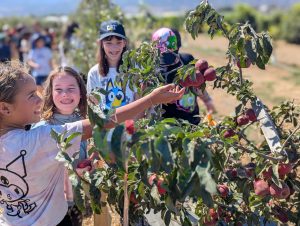 Beyond food access, Tera Farm focuses on storytelling and education. Weekly emails and updates share photos and stories from the farm so people can better understand what goes into growing food and who is doing the work. This approach helps build appreciation for real food and the labor behind it.
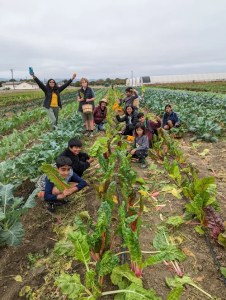 Sheena’s background as a classroom teacher shapes everything Tera Farm does. She understands how powerful experiential learning can be, especially for children who may not otherwise have access to farms or agricultural spaces. Her goal is to help students see food not as something that simply appears in stores, but as something grown by people in their own communities.
Tera Farm is especially interested in partnering with more schools that want to bring food education to life. Whether the focus is science, literature, nutrition, or sustainability, Sheena can tailor farm visits to meet those goals.