
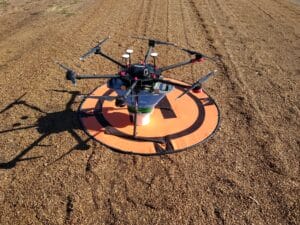
Webinar: Augmentative Biocontrol Modes of Release and Types of Supportive Habitat
Augmentative releases of natural enemies can provide effective control of many pests. In this webinar recording, CAFF’s Ecological Pest Management Senior Manager, Hanna Kahl, explains how to ensure successful natural enemy releases by providing habitat, ensuring quality insects, using selective
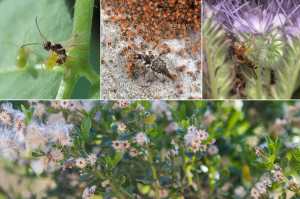
Managing Pests with Predator & Parasitoid Habitat
This guide created by Wild Farm Alliance, shows how habitat can help attract natural enemies and manage pests. CAFF co-authored the “Walnut Pests: Natural Enemies & Their Habitat” section which covers specific plants that enhance natural enemies in walnut orchards.

Biologically Integrated Orchard Systems (BIOS) for Almonds guide
The Biologically Integrated Orchard Systems (BIOS) project was a collaboration between CAFF, farmers, pest control and crop advisors, and the UC Cooperative Extension in the 1990s and early 2000s. BIOS emphasized a systems approach to orchard management and pest control

Hedgerows & Farmscaping for California Agriculture guide now available for download
CAFF’s in-depth manual will help you choose and care for regionally appropriate plants that attract beneficial insects and prevent erosion. This publication is an updated revision of the original, 2004, Hedgerows for California Agriculture: A Resource Guide for Farmers. The
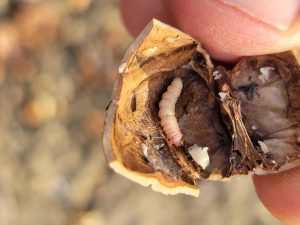
Costs and Benefits of Mating Disruption
Mating disruption is a selective, low-risk alternative for controlling codling moth and navel orangeworm. This study covers the costs and benefits of using mating disruption as a tool in walnut orchards.
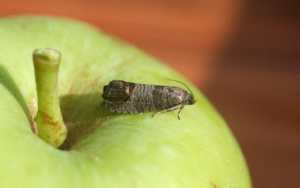
Codling moth mating disruption: Best practices guide
This guide covers the basics of pheromone mating disruption for managing codling moth, a pest of multiple tree fruit and nut crops. Explore the guide and the linked database for information about the commercially available mating disruption products for codling
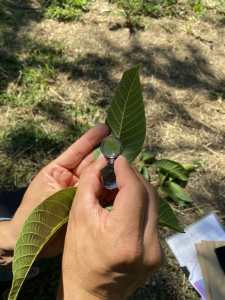
Video: Monitoring for Webspinning Spider Mites
Learn how to monitor for webspinning spider mites and protect your walnut orchard from damage using Integrated Pest Management guidelines. Watch the video below or on CAFF’s YouTube channel. Video developed by: Miguel Alvarez, Ecological Pest Management Contractor, CAFF. Filming,
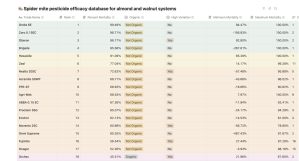
Spider mite pesticide efficacy database for almonds and walnuts
This database is derived from synthesized data of 19 different studies which assessed how pesticide type affects spider mite populations in almond and walnut systems, drawing on pesticides currently registered for use in California. These studies focused on looking at percent
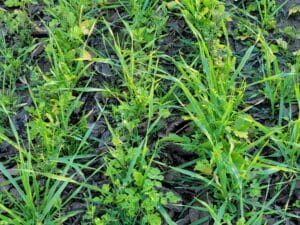
Costs and Benefits of Cover Crops
Learn about the economics of utilizing cover crops in walnuts, including the long-term savings.
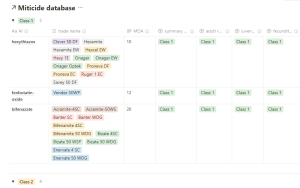
Miticide non-target effects on predatory mites in walnuts
Click here to view the database This database compares pesticides currently registered in California for use to control web-spinning spider mites in walnuts based on their effects on Phytoseiids, which are the most common family of predatory mites that provide