

Rachel’s Greathouse Garden
About Rachel Greathouse 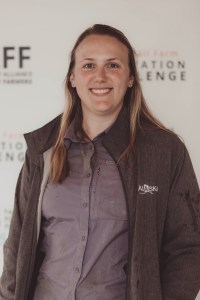
Rachel Greathouse is owner of Greathouse Garden, a small farm based out of Missouri which specializes in storage and staple crops. Rachel is a winner in the Do It Yourself (DIY) category of the Small Farm Innovation Challenge. She designed an innovative solution for their small farm which has dramatically improved their process for harvesting and drying crops such as onions and garlic. Large farms have other means of curing onions, but there was a gap for the small farm on how to harvest and dry onions with fewer steps while using minimal storage space. Her creation: a large-scale drying rack system that emphasizes simplicity and efficiency, which embodies a practical approach to agricultural challenges.
Innovative Drying Rack Design
Rachel’s invention is a large-scale drying rack with removable shelves designed specifically for harvesting and drying crops like onions and garlic. The rack features wire mesh bottoms for optimal airflow and vertical drying capabilities, which not only saves space but also reduces the handling of the crops. The unique design allows the rack to be transported by tractor, accommodating up to 1000 pounds of onions per rack tower.
Streamlining the Harvest Process
Traditionally, harvesting onions involves collecting them in bins and then transferring them to a drying location (typically laid out in a greenhouse with shade cloth and a single layer)—a process that typically requires handling the produce multiple times. Rachel’s drying rack reduces this to a single step: crops are harvested directly onto the shelves of the rack, where they remain for the next 2-4 weeks to dry. This innovation significantly cuts down on labor, time and risk of mishandling crops, making the post-harvest process more efficient, especially for a low value crop.
DIY Construction and Cost-Effectiveness
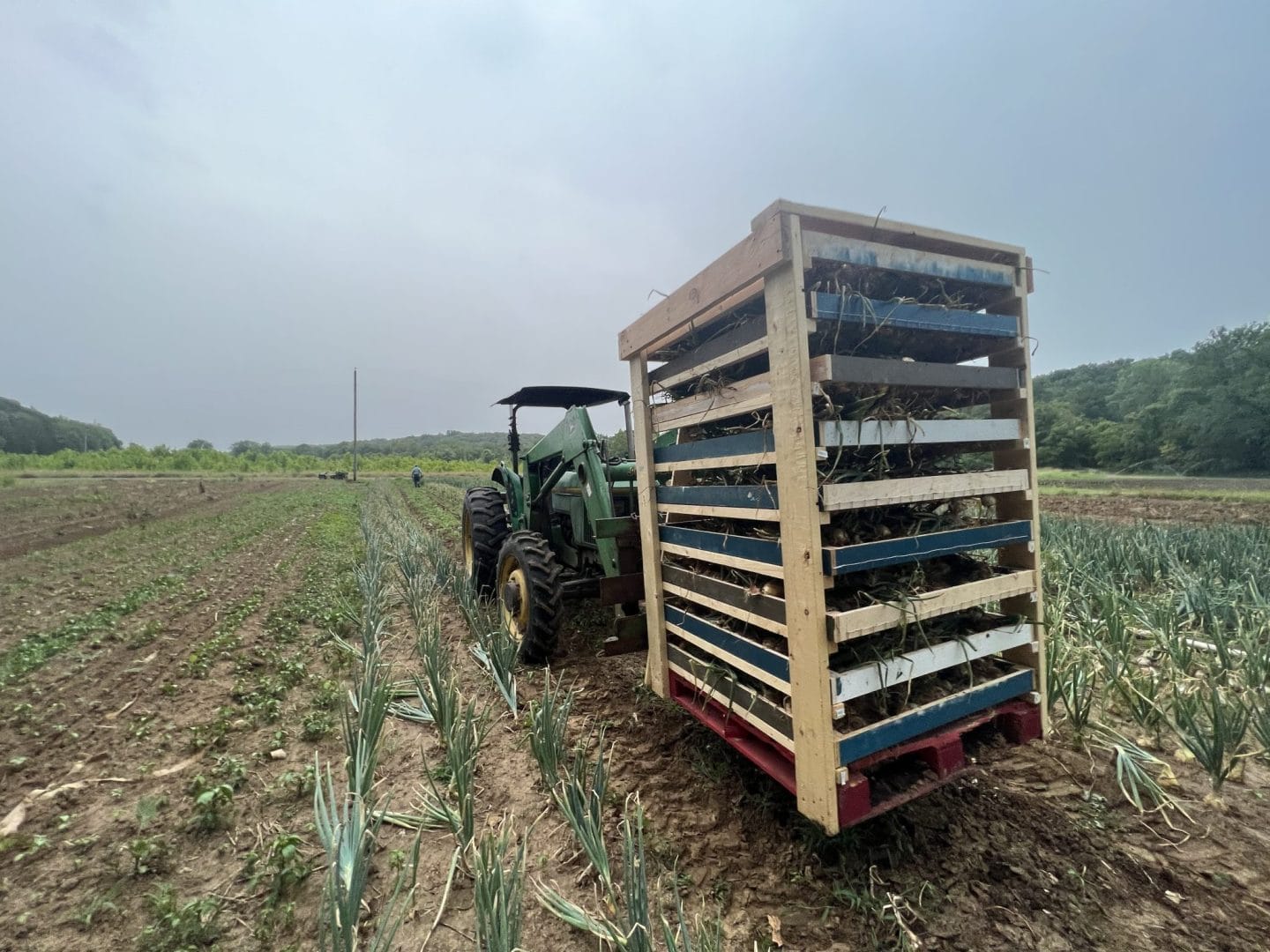
The drying rack can be easily replicable by other farmers. The materials required include pallets, plywood, various sizes of lumber, screws, and wire mesh—are readily available at general hardware stores. Each rack can be constructed for approximately $100-150, making this a cost-effective solution for many small-scale farmers.
Impact and Future Potential
Rachel Greathouse’s drying rack exemplifies how simple, DIY innovations can lead to significant improvements in agricultural practices. Her design not only enhances the efficiency of crop drying processes but also offers a blueprint that can be adapted, improved upon, and implemented by other farmers looking to optimize their onion harvesting operations. As a winner of the Innovation Challenge, Rachel’s contribution to agricultural technology showcases the power of practical, scalable solutions in transforming the small farm landscape.
Curious to learn more about Rachel? Visit this link to read more about what Rachel is up to.
Lindsey at GrownBy
About Lindsey
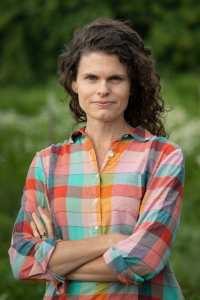
Lindsey Lusher Shute is a leader in sustainable agriculture, serving as the co-founder and CEO of Farm Generations Cooperative and co-owner of Hearty Roots Community Farm. Her extensive background includes co-founding the National Young Farmers Coalition and leading it as executive director for a decade. Lindsey’s Hearty Roots Community Farm, nestled in Germantown, NY, provides Real Organic Project/USDA organic produce to over 1,000 CSA members across the Hudson Valley and New York City.
GrownBy: A Pioneering Platform for Local Food
Lindsey’s latest innovation, GrownBy, is a fair and transparent marketplace designed to bolster the small farm community by simplifying direct sales and making local food more accessible. Unique in its cooperative ownership model, GrownBy is the first platform of its kind that enables farm food sales directly to consumers, including facilitating transactions that use SNAP benefits.The winning innovation wasn’t the GrownBy platform itself but its “E-commerce Food Justice” payment processing portal, which took years of advocacy and collaboration with key partners to get approved by the USDA.

Why GrownBy Matters
Under Lindsey’s leadership, GrownBy addresses critical challenges in the local food system by providing a streamlined, cooperatively-owned platform where farmers can sell their products directly to consumers, chefs, and institutions. This initiative not only supports sustainable farming practices but also promotes economic stability for small farms. For the first time, farms can now accept online EBT payments for their qualifying products, a federal fund of over $115 billion and 55 million customers that was previously only accessed by big box stores such as Walmart and Amazon for online EBT grocery purchasing.
Innovations and Recognitions
GrownBy has strategically partnered with the Culinary Institute of America (CIA) to enhance farm-to-chef and institutional sales, bridging the gap between local farmers and larger consuming bodies. Lindsey’s contributions to sustainable agriculture have not gone unnoticed. She was honored as a “Champion of Change” by President Barack Obama, received Glynwood’s “Harvest Award,” and was named an “American Food Hero” by Eating Well Magazine.
Impact and Vision
Lindsey Lusher Shute continues to drive significant change in the agricultural sector by focusing on innovation that supports both farmers and consumers. Her work with GrownBy exemplifies her commitment to enhancing the viability and sustainability of small farms, ensuring they remain a vital part of our communities. Through her efforts, Lindsey is paving the way for a more connected and sustainable food system.
Want to dive deeper into Lindsey’s story? Visit her website here.
Cole Bush from Shepherdess Land and Livestock Co.
About Cole
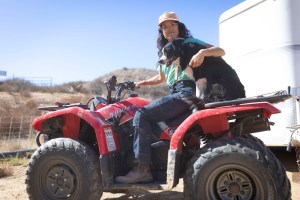
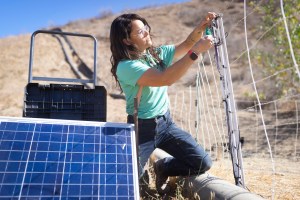
Brittany Cole Bush, known as Cole, founded Shepherdess L&L in 2020 to offer vegetation management services and promote education for future shepherds. Based in the Ojai Valley, CA Shepherdess L&L embodies Cole’s dedication to climate-beneficial agriculture, land stewardship, and prescribed grazing. With over a decade of experience, Cole has treated thousands of acres using herds of sheep and goats for ecological enhancement and fire hazard reduction across California. She mentors new entrepreneurs and practitioners in prescribed grazing and offers expert consultation for climate-smart agricultural initiatives. In recognition of her innovative work, Cole won the Small Farm Innovation Challenge 2023-2024 in the software category.
PastuRx Software Tool for Prescribed Grazers
What is Cole Building?
Cole is developing a tool to improve communication between contract grazers and public agencies leasing land or hiring animals for grazing services. This platform aims to streamline logistics and communication within the growing contract grazing industry.
Why is Cole Building It?
Cole’s goal is to address logistical and communication challenges faced by prescribed grazing professionals and public agencies. The tool aims to become the industry standard, facilitating smoother interactions and enhancing the efficiency of grazing services.
High-Level Problems Solved
The platform will centralize scheduling and logistics for multiple herds under contract. Authorized team members can update crucial information such as herd location, project duration, and details. Clients can access real-time data or receive periodic status updates via email or SMS which is a game changer during an active wildfire with locked gates and multiple parties involved. This solution addresses a significant gap in the industry, particularly for enterprises using grazing for fire hazard reduction.
Features and Objectives
The platform will serve as a communication hub tailored to the contract grazing industry. Key features include:
- Account creation for contract graziers and public agency representatives
- Real-time updates on location, dates, and service duration
Development and Launch Plan
The website will launch initially, with potential expansions to iOS and Android based on feedback. The development process includes user interviews, usability testing, and ensuring readiness before a phased beta launch.
Interested in learning more about Cole? Head over to her website here.
These innovative women not only enhance their own small farm operations but also set a precedent for future agricultural technology. Despite being often overlooked by venture capital firms that prioritize scalable investments, their ingenuity and practical solutions highlight the critical role women play in advancing agricultural innovation. By embracing their inventive spirit, we can champion the crucial contributions of small farms and foster a more inclusive approach to the future of farming. It’s time to recognize and support the resilience and creativity of these women, ensuring their voices are heard and valued in the broader conversation about the future of agriculture.
About the Small Farm Innovation Challenge
Now in its 5th year, the Small Farm Innovation Challenge aims to steer ag-based technologies and innovation towards the real-world needs of small-scale food producers. Farmers, entrepreneurs, students, hackers, or an ingenious farm-loving thinker with tech-based innovations to help small-scale agriculture compete, survive, and thrive are welcome to apply. We welcome all ideas—big or small, in any stage of development—for the Innovation Challenge. Cash prizes and opportunities to showcase innovations are provided to the winning applicants. Learn more here.
