
Workshops
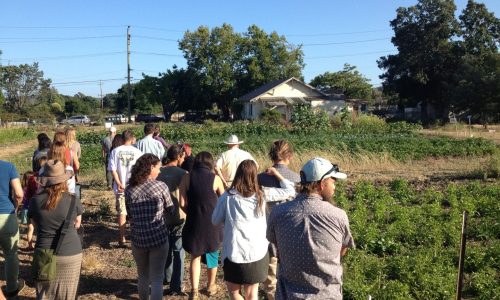
We offer educational events and trainings across California to help farmers understand and better prepare for new on-farm food safety regulations. Check our Events Page for upcoming workshops near you.
Partner Farm Program
Designed to help farmers reach their food safety goals, this program provides one-on-one support to farmers updating their food safety practices. We visit farms to provide additional in-person support and farmers earn a stipend for participating.
Food Safety Plans
Templates including recording keeping logs, farm risk assessments, fact sheets, harvest checklists and other documents to use on your farm business.

Webinars
We offer online webinars and trainings that you can join from your home computer to help you better understand and comply with new on-farm food safety regulations.
Food Safety Resource Toolbox
Fact sheets to tips on value-added products, find a variety of resources to help keep your produce safe and your farm in compliance with food safety regs.

Podcast
In the Farmers Beet Podcast, hear directly from small family farmers about the techniques and innovations used to keep their food safe to eat, practical tips shared by farmers for farmers.
Food Safety Starts on the Farm
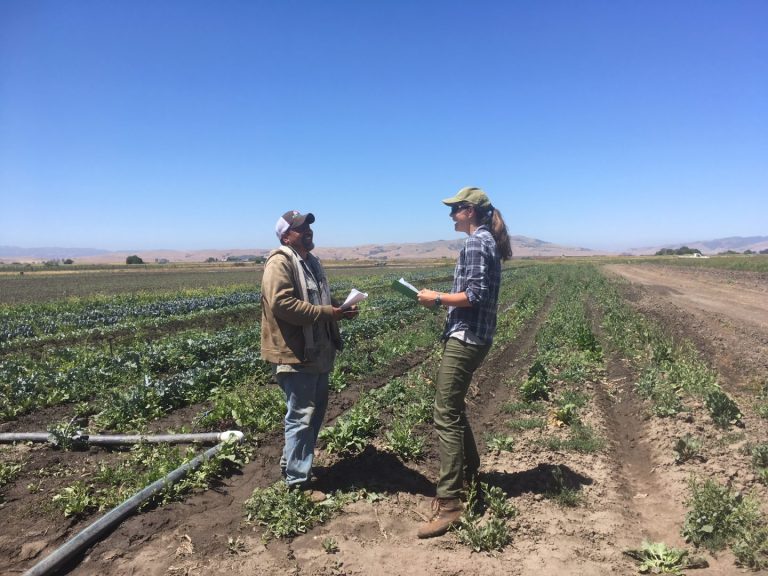
Three weeks ago, I found myself being discharged from the emergency room in Bishop, California instead of heading out to the trailhead to start our backpacking trip. The doctor was

Food Safety Technical Assistance for Small-Scale and BIPOC Farmers: Lessons from CAFF’s Partner Farm Program
CAFF’s Farmer Services Program has worked with hundreds of farmers over the years to provide food safety technical assistance. We help farmers navigate complicated state and federal food safety regulations

On-Farm Recordkeeping: Technologies & Strategies
Learn the benefits of keeping good records on your farm and how to level-up your recordkeeping practices!
Record keeping is beneficial for three major compliance areas: FSMA compliance, organic certification, and GAP audits.
2025 NOP/FSMA/3rd Party Audit Food Safety Guide (Updated)
This updated guide for 2025 provides charts that give a side-by-side comparison of the similarities and differences between the requirements of the National Organic Program, Food Safety Modernization Act, and

Financial Assistance Available for Food Safety Certification
A new program through USDA’s Farm Service Agency is providing reimbursement for on-farm food safety program expenses related to obtaining or renewing a food safety certification in calendar years 2024 and/or 2025.

Understanding Biological Cross-Contamination: Trainer Lesson Plan
This resource is geared towards technical service providers and/or farm managers looking to do an interactive and memorable activity with farmers. Farmers are able to visualize the spread of biological